
info@phed.com.ng
0700 2255 7433

Why Nigeria’s Power Grid Struggles — And What the Future Could Look Like
Why Nigeria’s Power Grid Struggles — And What the Future Could Look Like
Nigeria is Africa’s largest economy and home to over 200 million people, yet its electricity supply remains one of the most unreliable in the world. For decades, power generation, transmission, and distribution have struggled to meet the country’s growing demand. But what exactly causes the recurrent blackouts, grid collapses, and unstable power supply? Let’s break it down in simple terms.
1. Generation: Producing Enough Power is Still a Challenge
Nigeria has an installed power generation capacity of over 13,000 MW, but only about 4,000 MW is typically available at any given time. Why?
-
Gas supply constraints: Most power plants run on natural gas, yet pipeline vandalism and supply shortages cause frequent shutdowns.
-
Aging power plants: Many generators are 20–30+ years old and operate far below optimal efficiency.
-
Hydropower limits: Dams like Kainji and Shiroro produce less power during dry seasons due to low water levels.
The result? The grid often doesn’t have enough electricity to pass around.
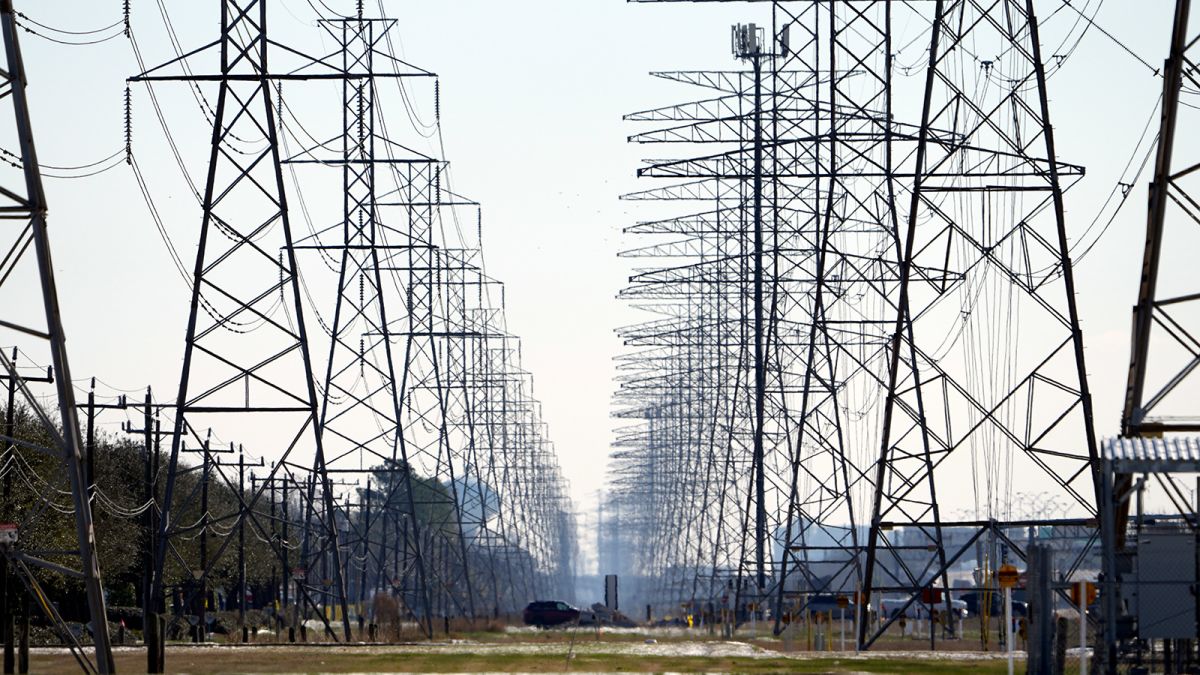
2. Transmission: The Grid Can’t Carry What We Produce
Even when power is available, Nigeria’s transmission system — commonly known as “the grid” — is fragile.
-
Old infrastructure: Some transmission lines date back to the 1970s.
-
Overloaded networks: The system was built for a much smaller population.
-
Frequent grid collapses: Sudden faults or overloads can cause nationwide outages.
The Transmission Company of Nigeria (TCN) has the difficult job of maintaining stability in a system that was never designed for today’s load.
3. Distribution: Where Most Nigerians Feel the Pain
Distribution companies (DisCos) are the closest link to consumers — and they face the toughest realities.
-
Energy theft: Illegal connections reduce revenue, making it hard for DisCos to maintain equipment.
-
Billing challenges: Estimated billing remains a major frustration for consumers without prepaid meters.
-
Poor infrastructure: Transformers, feeders, and cables in many communities are overstretched or damaged.
Consumers often blame their DisCo, but the problem is usually a combination of generation + transmission + distribution constraints.
4. Rising Demand: The Population Keeps Growing
Nigeria’s demand for electricity grows every year due to:
-
Urbanization
-
Increased use of appliances
-
Industrial expansion
-
Population growth
Yet power supply hasn’t grown at the same pace.
5. What Could the Future Look Like?
Despite the challenges, there are promising solutions on the horizon:
✔ Renewable Energy
Solar mini-grids and rooftop systems are becoming more popular, especially in rural communities where the grid is weak.
✔ Grid Modernization
Investments in smart meters, new transmission lines, and better load management can stabilize the system.
✔ Gas Infrastructure Upgrades
Improved pipelines and local gas processing can keep power plants running more reliably.
✔ Decentralized Power
Communities and companies are adopting microgrids and hybrid power systems to reduce reliance on the national grid.
Conclusion
Nigeria’s electricity crisis is complex, but not impossible to solve. With the right investments, policies, and modern technologies, the country could transition from chronic blackouts to a more stable and sustainable energy future.
The journey is long — but the future can be bright.